HMRC to raid bank accounts for unpaid tax
HMRC is restarting the use of direct debt recovery for individuals and businesses who choose not to pay the tax they owe despite having the means to do so. Who’s in the firing line?
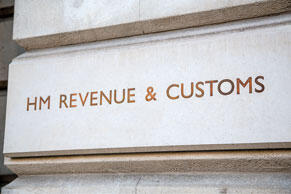
Direct debt recovery (DRD) is nothing new, though its use was paused during the pandemic. It is now being relaunched to recover debts over £1,000, subject to various safeguarding rules. For example, it can only be used where the debtor has received a face-to-face visit from HMRC agents (having ignored previous correspondence), has not been identified as vulnerable, has sufficient money in the bank and still refuses to pay their debts.
Given the strict criteria it is expected that HMRC will use these powers sparingly, as it did prior to the pandemic. If you’re struggling to pay your tax bill, contact HMRC as soon as possible to ask about setting up a payment plan.
Related Topics
-
CT61
-
Could refinancing your property put mortgage interest relief at risk?
HMRC has changed its guidance on claiming tax relief for interest on loans used to replace capital withdrawn from a business. The Chartered Institute of Taxation (CIOT) has now challenged the revised guidance, warning that it creates uncertainty for landlords, sole traders and partnerships. Could your borrowing arrangements be affected?
-
Why is HMRC checking PVA more often?
Your business imports goods and accounts for VAT by applying postponed VAT accounting (PVA) on its returns. HMRC is scrutinising returns and issuing large assessments in some cases. What can you do to reduce the risk of getting it wrong?